Almost every lawn in the United States is subject to severe winter weather. Especially in the north and central parts of the country, there is more of a risk, however the south is not exempt from ice storms and arctic blasts. Recent history shows that areas most vulnerable to damage are those in the southern portions of the country because they are not used to long periods of freezing temperatures. For these reasons, it is critical that every home owner prepare for problems during the winter weather.
As you might expect, the most common types of sprinkler problems during the winter months are freezing water in pipes. Two problems are most prevalent: water accumulating in sprinkler systems from the compressed air in the sprinkler pipes, and improper insulation of backflow devices.
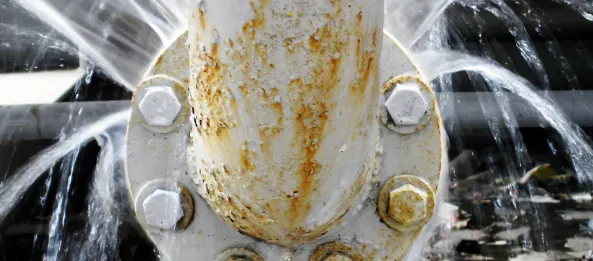
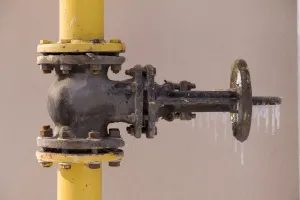
When a backflow device is not winterized and freezes, it will expand along with the frozen water inside of it, causing a few different things to happen; the bonnet and poppet assembly could freeze causing it to blow apart and water will run all over until it is shut off, if your valve brakes, it will be another problem and will be extremely costly to fix. When you go to turn on your irrigation, water will flow freely from the broken backflow and you might even have non-potable water rushing into your potable water inside your home. If you do not become aware of any breakage with your backflow, this will lead the way for a very unsatisfactory year of lawn maintenance and possibly health care bills if you ingest any water from the backflow device.
What To Do:
- Turn the water off
- Replace broken part
- Drain the backflow
- Turn the valve handle at a 45 degree angle
- Wrap the device with a towel
- Wrap everything with a plastic bag then tape or secure in place.
Run each zone for a few minutes every couple of hours until warm weather returns, this will keep the water moving and remove any ice that begins to form. This is not the perfect plan, but is it a better solution than to have your entire system freeze on you. In a moderate climate this should only be a few days, however in a cold climate this could last for weeks.
Make sure to tend to any broken backflow or pipes before the winter starts, your headache will be much smaller if you do.